
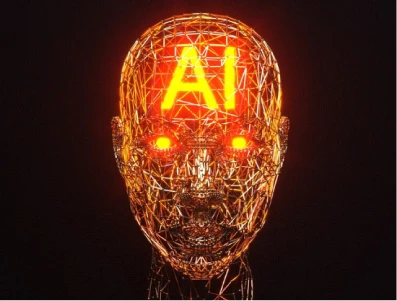
Artificial intelligence is reshaping the entertainment landscape, from personalized content recommendations to virtual actors. Find out what this means for future job seekers and how to stay ahead of the curve.
Artificial intelligence has moved from science fiction plots to the tools people use every day in entertainment. It suggests what you should watch next, helps clean up audio, speeds up visual effects work, and even generates rough drafts of images and music. For anyone hoping to build a career in this industry, it is natural to wonder what all of this means for you.
The honest answer is that AI is changing how some work gets done, creating new kinds of jobs, and raising important questions the industry is still working through. The people who will do best are those who stay informed, learn to use these tools thoughtfully, and keep developing the human skills that technology cannot replace.
Where AI Shows Up Today
AI is already part of many entertainment workflows, often in ways audiences never notice.
Recommendations and Personalization
Streaming services and music platforms use machine learning to recommend content based on what you and similar users have enjoyed. These systems influence which shows get watched, which songs get discovered, and even how artwork and previews are presented to different viewers.
Production and Post-Production
In post-production, AI-assisted tools help with tasks like removing background noise, isolating dialogue, tracking objects in a shot, separating subjects from backgrounds, and upscaling footage. These tools save time on repetitive work so artists can focus on creative decisions. Automated transcription and captioning also make it faster to search footage and prepare accessible versions of content.
Music and Audio
Producers and audio engineers use AI-assisted tools to separate stems from a mixed recording, clean up noisy takes, and help with mastering. Some tools can generate melodies or backing tracks, which has sparked real debate among artists about originality and credit.
Digital Humans and Virtual Actors
Visual effects teams have long created digital doubles, and AI techniques are making de-aging, face replacement, and synthetic voices more convincing. Some projects use digital characters or virtual performers entirely. This area raises serious questions about consent, compensation, and ownership of a performer's likeness, which is why it became a major issue in recent Hollywood union negotiations.
Marketing and Audience Insights
Marketing teams use AI to analyze audience data, test different versions of ads, and generate early concepts for campaigns. Social media teams may use AI tools to help with captions, research, or editing, though human judgment still decides what fits a brand.
What AI Means for Entry-Level Jobs
It is fair to say some routine tasks, such as basic transcription or simple edits, may require fewer hours than before. But entertainment is a collaborative, creative business built on taste, relationships, and storytelling, and those are areas where people remain essential. Pitching an idea, reading a room, and keeping a shoot on track all depend on human connection.
AI is also creating new roles. Companies need people who can evaluate AI tools, build them into existing workflows, train teams to use them, and make sure they are used ethically and legally. There is growing demand for those who understand both creative work and technology well enough to connect the two.
For interns, the opportunity is to become the person on the team who understands these tools. If you can show a supervisor how a new tool could save time, or explain its limits clearly, you add real value.
Don't compete with AI on speed. Compete on judgment, taste, and the ability to work well with people.
The Ethics You Need to Understand
Working in entertainment today means understanding the debates around AI, not just the technology. Key questions include:
- Consent and likeness. Performers and creators want control over how their voices, faces, and styles are used.
- Copyright and training data. There are ongoing legal and ethical questions about how AI models are trained and who owns what they produce.
- Fair compensation. Unions and guilds have pushed for protections so that AI does not undercut the people whose work makes entertainment possible.
- Transparency. Audiences and collaborators increasingly expect to know when AI has been used.
Employers want team members who take these issues seriously. Showing that you understand them signals maturity and professionalism.
How to Stay Ahead of the Curve
You do not need to become a machine learning engineer to thrive. Here are practical steps any aspiring professional can take:
- Experiment with tools in your field. If you edit, try AI-assisted features in editing software. If you work in marketing, explore how AI can help with research or analysis. Note what works and what does not.
- Strengthen your core craft. Writing, editing, design, music, and production skills remain the foundation. AI is most useful in the hands of people who already know what good work looks like.
- Learn the basics of how AI works. A beginner course or tutorial will help you understand what these systems can and cannot do.
- Follow industry news. Keep up with how studios, labels, guilds, and platforms are setting rules around AI.
- Build human skills. Communication, collaboration, leadership, and creative problem-solving become more valuable as technology handles routine tasks.
- Document your experiments. Add projects that thoughtfully use AI tools to your portfolio and explain your process and choices.
Building a Future-Proof Career
AI will keep evolving, and no one can predict every change ahead. What you can control is your willingness to learn, adapt, and bring something uniquely human to your work. The entertainment industry will always need people with ideas, taste, and the drive to bring stories to life.
At Intern Nation, we believe in the journey from Outside to Intern, Intern to Employee, and Employee to Owner. Build your profile, show how you combine creativity with new technology, and browse internships across production, music, marketing, social media, and creative tech to start your next chapter.